
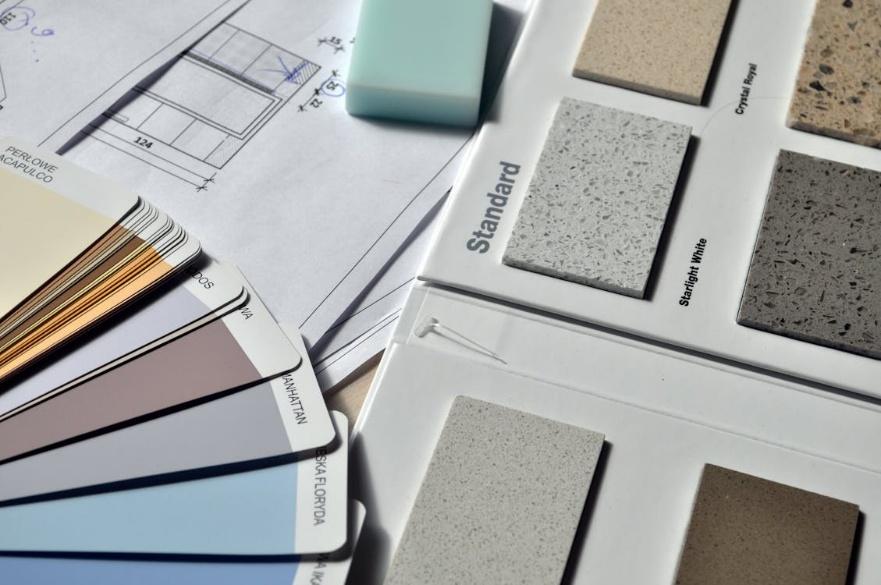
How to Mix & Match Tiles Like a Designer: Colours, Textures & Layouts That Work
How to Mix & Match Tiles Like a Designer: Colours, Textures & Layouts That Work
The Art of Mixing Tiles Without Making Mistakes
Mixing tiles is one of the most effective ways to create visually stunning, designer-level interiors — but it’s also one of the easiest ways to overdo a space if not executed well. Malaysian homeowners often wonder:
- Can I mix wood-look and stone-look tiles?
- Should floor and wall tiles match?
- How many colours are too many?
Interior designers follow specific principles that make mixed-tile combinations look natural, cohesive, and luxurious. This guide reveals those principles, helping you confidently mix and match tile colours, textures, and layouts using Johnson Tiles Malaysia collections.
- Start With a Colour Palette (The Designer’s First Rule)
Before choosing any tile, decide on a 3–4 colour palette for your entire home. Designers usually follow the 60–30–10 rule:
✔ 60% Dominant Colour
Neutral tone for main floors (beige, grey, ivory).
✔ 30% Secondary Colour
Wall tiles, wood textures, or feature areas.
✔ 10% Accent Colour
Feature walls, borders, decorative tiles.
Designer Tip:
Keep the palette cohesive across different rooms for a seamless home experience.
- Mix Textures, Not Patterns
Too many patterns create visual clutter, especially in small Malaysian homes. Designers prefer mixing textures instead of busy motifs.
✔ Good Combinations
- Stone-look + matt
- Wood-look + cement
- Gloss wall + matt floor
- Stone matt floor + gloss marble wall
✔ Avoid
- Patterned floor + patterned wall
- Strong wood texture + heavy stone veins
Keep patterns minimal. Let texture do the talking.
- Match Tile Undertones (Warm vs Cool)
Tiles have undertones — subtle shades that determine whether they feel warm or cool.
✔ Warm Undertones
Beige, taupe, brown, cream
Match with: wood look tiles, earth tones
✔ Cool Undertones
Grey, blue-grey, white, charcoal
Match with: concrete tiles, stone greys
❌ Never mix:
Warm beige floor + cool blue-grey wall
Warm taupe + stark white gloss
Grey concrete + red-toned wood grains
Matching undertones ensures a harmonious, designer-quality interior.
- Use Gloss Tiles Strategically as Highlight Areas
Gloss tiles reflect light and add a premium feel — but if used excessively, they create glare.
✔ Where Gloss Works Best
- Bathroom wall panels
- Kitchen backsplashes
- Shower niches
- Small powder rooms
✔ Combine With
- Matt floors
- Stone textures
- Soft neutrals
This creates a balanced, high-end look.
- Keep Floors Consistent, Walls Creative
Interior designers often keep floors uniform to maintain visual flow — especially in small Malaysian homes.
✔ Do:
Use the same floor tile in:
- Living room
- Dining
- Hallway
- Bedrooms
✔ Then Mix on Walls:
Try different:
- Textures
- Stone panels
- Accent colours
- Gloss or matte differences
This approach avoids clutter while still allowing creativity.
- Mixing Tiles in Bathrooms: The 3-Zone Method
Bathrooms allow more variety because of distinct “zones.” Designers break them into:
Zone 1 — Floor (Matt or Anti-Slip)
Stone matt or textured tiles.
Zone 2 — Main Walls (Neutral Base)
Cement, stone, or soft gloss tiles.
Zone 3 — Feature Wall
Use 1 highlight tile only:
- Marble gloss
- Vertical textured tile
- Darker stone
- Mosaics
3 zones = 3 tile types (maximum).
Stick to this formula for designer balance.
- Mixing Tile Layouts to Add Visual Depth
Layouts matter as much as tile choice.
✔ Popular Layouts
- Straight lay (minimalist)
- Horizontal stack (wider room feel)
- Vertical stack (higher ceiling effect)
- Herringbone (accent walls or small areas)
- Brick pattern (warm, classic look)
✔ Designer Combinations
- Floor: 60×60 straight lay
- Walls: 30×60 vertical stack
- Feature wall: slim vertical textured tiles
Mix layouts sparingly — don’t use more than 2–3 patterns per room.
- How Many Tile Types Should You Mix in One Home?
Interior designers follow simple limits:
✔ Studio / Small Condo
Use 2–3 tile types only.
✔ Medium Terrace
Use 3–4 tile types.
✔ Large Semi-D / Bungalow
Use up to 5 tile types if the palette stays cohesive.
More tiles = more visual noise.
Fewer tiles = modern, clean, luxurious design.
- Johnson Tiles Collections Perfect for Mixing & Matching
Johnson Tiles Malaysia offers tile families designed to complement each other effortlessly:
- Stone & Earth Collection
Perfect as base floors or natural walls.
- Neutral Matt Series
Great for cohesive, minimal foundations.
- Glossy Feature Tiles
Ideal for kitchen and bathroom highlights.
- Cement & Urban Series
Modern grounding tones that match wood and stone.
These collections make mixing and matching simple for both designers and homeowners.
Conclusion: Mixing Tiles Is Easy When You Follow Designer Principles
You don’t need an interior designer to create designer-level tile combinations — just follow these rules:
✔ Stick to a unified colour palette
✔ Mix textures, not patterns
✔ Match warm with warm, cool with cool
✔ Use gloss tiles sparingly
✔ Keep floors consistent
✔ Highlight walls creatively
✔ Limit tile types for a cohesive home
✔ Use intentional layouts to shape the space
With the right combinations, your home will feel balanced, stylish, and beautifully modern.
Johnson Tiles Malaysia offers collections that make mixing and matching effortless — delivering both aesthetic excellence and long-lasting durability.