
Sensory Minimalism: The Art of Soft, Tactile, and Emotionally Engaging Spaces
Sensory Minimalism: The Art of Soft, Tactile, and Emotionally Engaging Spaces
Minimalism has long been a favourite among Malaysian homeowners, but in 2026, it evolves into something warmer and more emotionally engaging. Instead of the cold, clinical look that once defined minimalist interiors, today’s design direction embraces soft textures, calming colours, and tactile surfaces that evoke comfort and serenity.
This movement — known as Sensory Minimalism — is reshaping how Malaysians design their homes, especially in condominiums, terrace houses, and modern apartments. Instead of focusing solely on visual aesthetics, Sensory Minimalism introduces an experience-driven approach to tile design, where touch, colour, and natural elements come together to create deeply soothing environments.
What Is Sensory Minimalism?
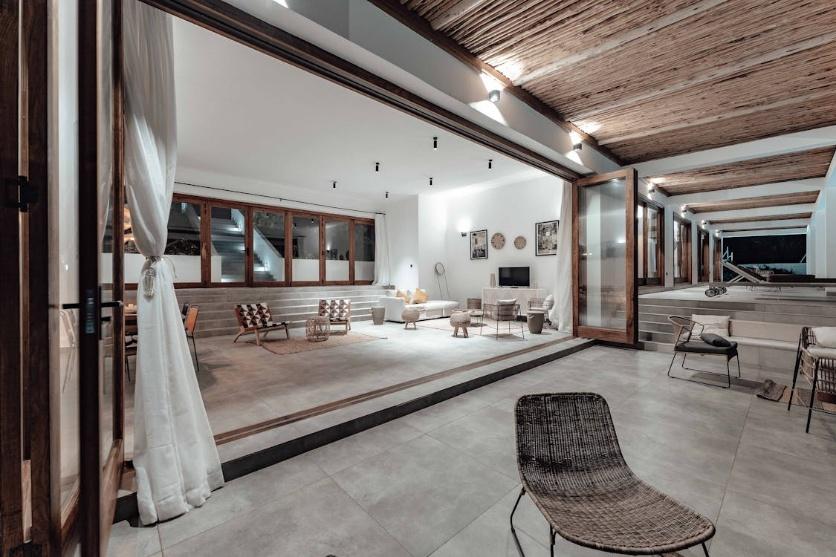
Sensory Minimalism is a design trend centred on tactility, warmth, and emotional comfort. It blends the clean lines of traditional minimalism with the richness of natural textures and earthy colours. Think of soft stone surfaces, matte finishes, warm neutrals, and gentle colour transitions that calm the mind.
Key Characteristics
- Soft, high-touch textures
- Nature-inspired colour palettes
- Matte and honed finishes
- Subtle, low-contrast tones
- Clean, uncluttered layouts
- Organic shapes and materials
This design direction transforms homes into peaceful retreats, ideal for Malaysia’s urban lifestyle.
The Rise of Texture: Why Touch Matters in 2026
Texture is one of the strongest pillars of Sensory Minimalism. As interior trends shift away from glossy, overly smooth surfaces, tactile tiles become central to creating warmth and authenticity.
Textures Dominating 2026
- Soft stone-touch finishes
- Light concrete textures
- Subtle sandstone grains
- Silky matte ceramic surfaces
- Raised linear patterns (fine structures)
- Honed stone looks
These textures bring depth to minimalist spaces without overwhelming them. They also diffuse light beautifully, creating a cosy ambiance ideal for Malaysian living rooms, bathrooms, and bedrooms.
Calming Colour Palettes for 2026
Traditional minimalism often relied on stark whites, but 2026 sees a significant shift toward soft neutrals and warm earth tones.
Top Sensory Minimalist Colours
- Warm beige
- Stone grey
- Chalky white
- Soft olive
- Taupe and clay
- Misty greige
- Sand brown
- Muted terracotta
These colours work beautifully with natural materials such as timber, linen, rattan, jute, and indoor greenery — emphasising a sense of grounded calm.
Why Sensory Minimalism Works in Malaysian Homes
Sensory Minimalism resonates strongly with Malaysian homes due to:
- Compact Layouts in Condos
Textures and soft colours create openness without clutter.
- Tropical Climate
Matte, stone-inspired tiles have a cooling visual effect, helping interiors feel breezy.
- Busy Urban Lifestyles
Calming interiors provide a sanctuary from city stress.
- Versatility
These palettes match Scandinavian, Japandi, modern contemporary, and even industrial styles.
- Low Maintenance
Matte textures hide watermarks and dust better than glossy finishes — ideal for humid Malaysian weather.
Best Tile Applications for Sensory Minimalism
- Living Rooms
Use large-format matte tiles in greige or warm beige for seamless, hotel-like flooring.
- Bedrooms
Textured tiles for feature walls mimic stone or handcrafted finishes.
- Bathrooms
Stone-inspired walls + anti-slip structured floors create a spa atmosphere.
- Kitchens
Matt surfaces in clay or taupe prevent glare and complement natural cabinetry.
- Entryways & Hallways
Earthy textures give a calming first impression when entering the home.
Design Techniques to Achieve Sensory Minimalism
Sensory Minimalism relies heavily on subtle design decisions that influence how a space feels.
✔ Choose Matte Over Gloss
Matte surfaces diffuse light softly — perfect for warm, cosy interiors.
✔ Stick to Low-Contrast Tones
Avoid stark black-and-white combos; instead use tone-on-tone layering.
✔ Limit Patterns
Keep patterns minimal; rely on texture for visual interest.
✔ Use Large-Format Tiles
Reduce grout lines to maintain calm, seamless surfaces.
✔ Incorporate Natural Elements
Wood furniture, rattan accessories, plants, warm lighting — all complement the tile design.
The Psychology Behind Sensory Minimalism: Why It Feels Good
Malaysians today seek balance and mental clarity. Sensory Minimalism supports these needs by:
- Reducing visual noise
- Encouraging relaxation
- Creating harmony through texture
- Enhancing natural light
- Making small homes feel uncluttered
It is design with emotional purpose — not just style.
Conclusion: The Future of Minimalist Interiors in Malaysia
As we enter 2026, Sensory Minimalism reshapes Malaysian interior design, bringing warmth, comfort, and tactility into everyday living. With matte textures, calming colours, and nature-inspired palettes, homeowners can create interiors that feel grounded, modern, and welcoming.